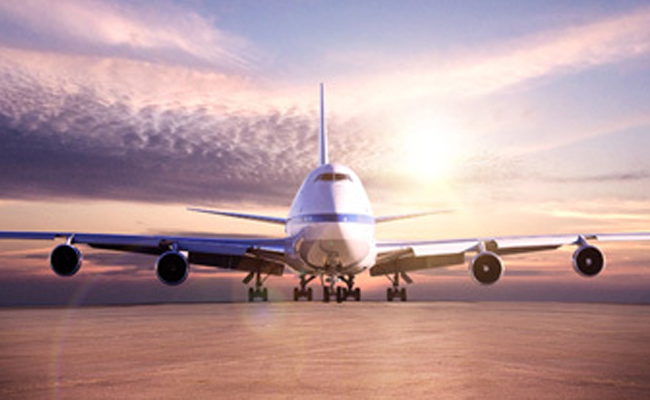
Description of air cargo:
1. Speed: Airplanes travel at a very high speed in the air, several times faster than ground transportation vehicles. Therefore, transporting goods by air can save a significant amount of time and cost.
2. Safety: The safety of air cargo is very high. Airlines will take various measures to ensure the safety of cargo during flight, such as using anti-counterfeiting packaging materials and conducting strict safety inspections.
3. Convenience: Air cargo can provide door-to-door convenience services. This means that the shipper only needs to hand over the goods to the airline's agent, and the airline will be responsible for all the remaining work.
4. Flexibility: Air cargo offers high flexibility. Different flight routes and schedules can be chosen according to customer needs, as well as flexible delivery methods and location options.
5. Efficiency: Due to the fast speed, safety, and reliability of air cargo transportation, the entire logistics process becomes more efficient and orderly. At the same time, modern information management systems have also enhanced the efficiency of air cargo transportation.
Size regulations for air cargo
The weight of goods is calculated based on gross weight, with the unit of measurement being kilograms. Fractions of a kilogram are rounded up to the nearest whole number. When the weight of goods on each air waybill is less than 1 kilogram, it is calculated as 1 kilogram. Valuable items are calculated based on actual gross weight, with the unit of measurement being 0.1 kilograms.
For cargo carried by non-wide-bodied aircraft, the weight of each piece of cargo generally does not exceed 80 kilograms, and the volume generally does not exceed 40×60×100 centimeters. For cargo carried by wide-bodied aircraft, the weight of each piece of cargo generally does not exceed 250 kilograms, and the volume generally does not exceed 100×100×140 centimeters. For cargo exceeding the above weight and volume, the carrier may determine the maximum weight and volume of cargo that can be accepted based on the aircraft type and the loading and unloading equipment conditions at the departure and destination airports.
The sum of the length, width, and height of each piece of cargo must not be less than 40 centimeters.
Goods with a volume exceeding 6000 cubic centimeters per kilogram are considered lightweight bulky goods. These lightweight bulky goods are weighed by converting every 6000 cubic centimeters into 1 kilogram.
Air transportation insurance and parcel transportation insurance
The basic types of aviation transportation insurance are divided into aviation transportation insurance and all risks of shipping, with additional insurance such as war risk for air cargo.
Shipping insurance and all risks of shipping
The former is roughly equivalent to the "W.P.A." (Wet, Perils and Average) clause in marine insurance. The insurance company is responsible for compensating the insured goods for total or partial loss caused by lightning, fire, explosion, or abandonment due to severe weather or other perils during transportation, or due to natural disasters and accidents such as collision, capsize, fall, or disappearance of the aircraft. In addition to the full scope of liability under the shipping insurance, the shipping all-risk insurance also covers the total and partial loss of the insured goods caused by general external factors. The exclusions for the two basic insurance types mentioned above are basically the same as those for marine insurance.
Air cargo war risk and additional risks
Additional insurance can only be purchased on the basis of basic insurance. The insurance company bears the responsibility for compensating for the loss of goods caused by war, hostile acts, or armed conflicts, as well as conventional weapons during transportation. The basic types of parcel insurance are parcel insurance and all risks parcel insurance, in addition to additional risks such as parcel war risk.